
 Licensed car
 Motorcycles
 UTV/ATV
 Tractors&Truck
 Baby tricycle
 Kids kick scooter
 Kids balance car
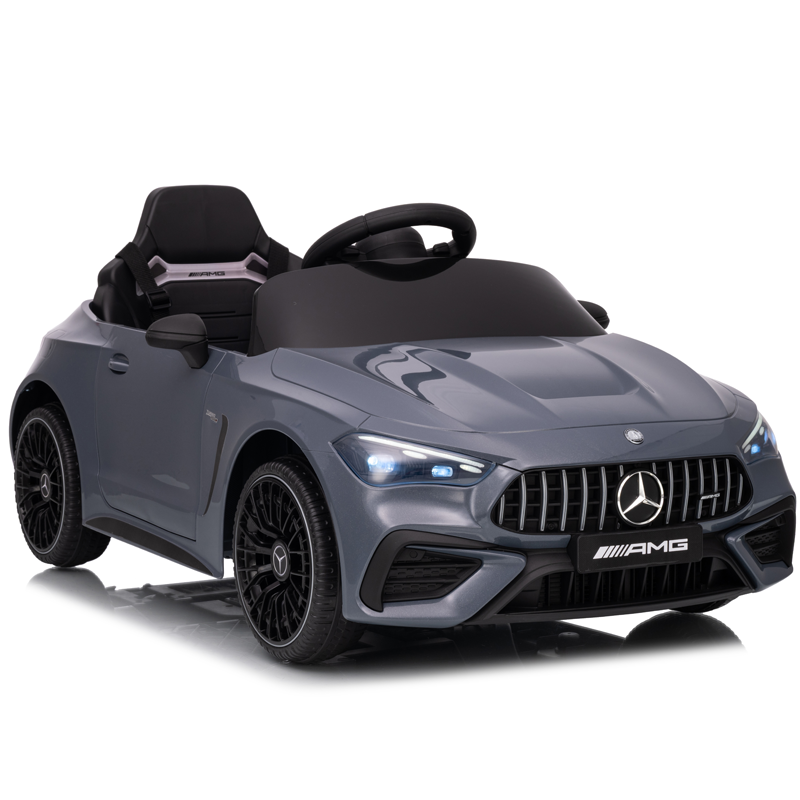


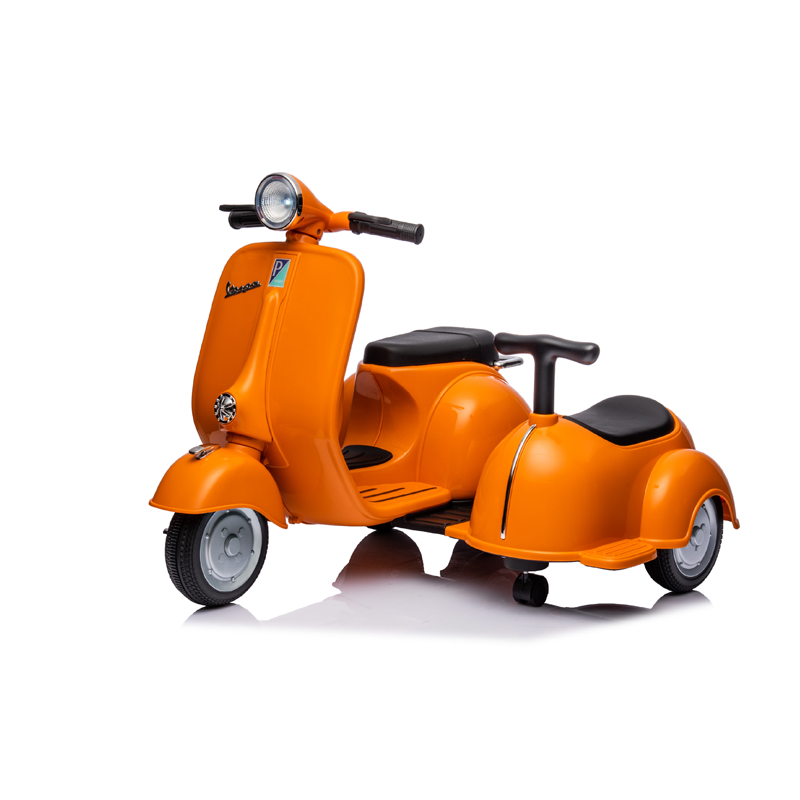
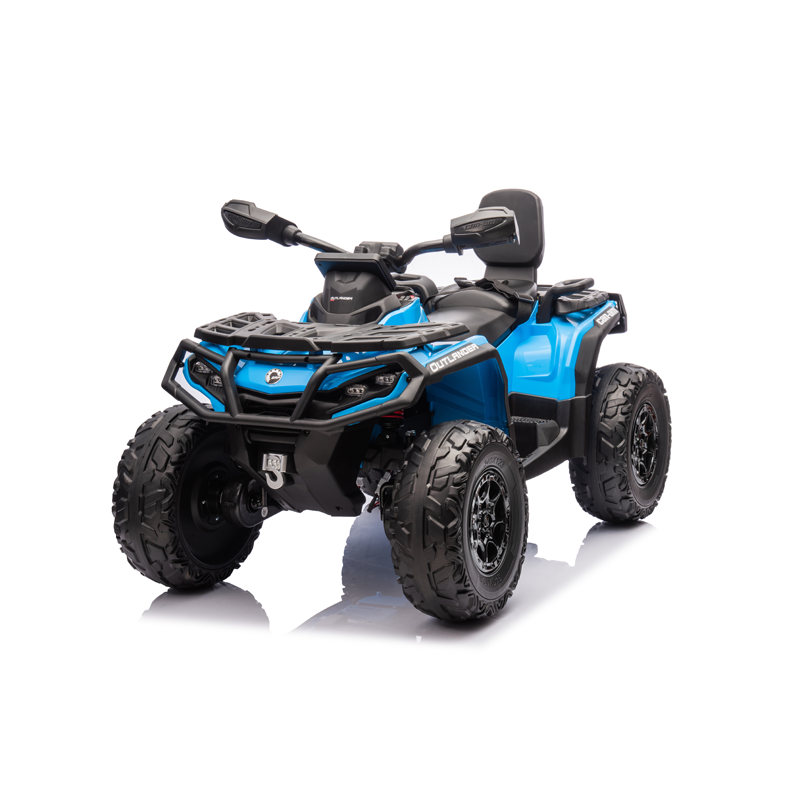
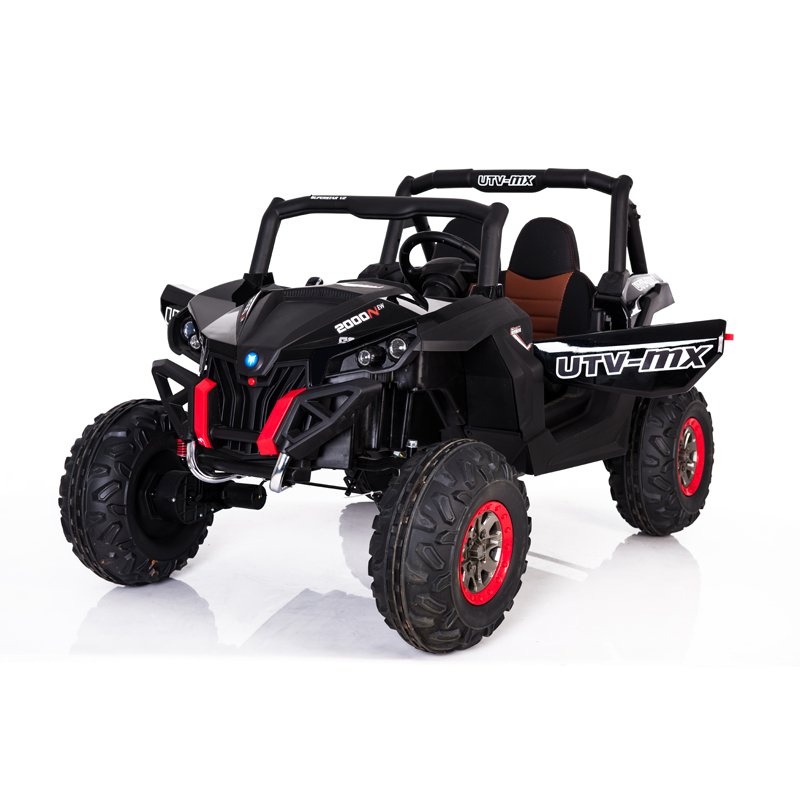
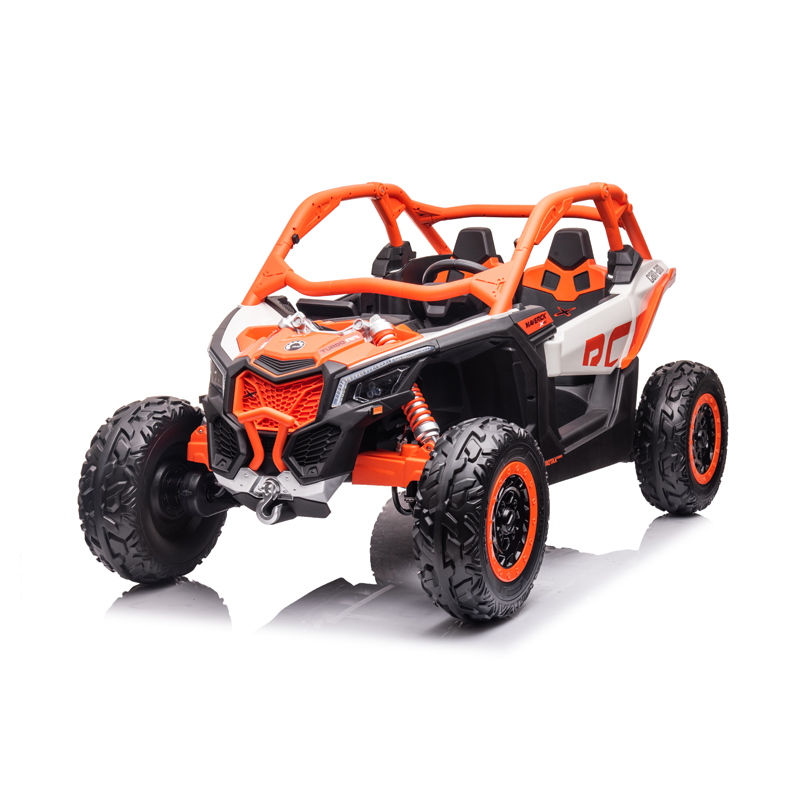
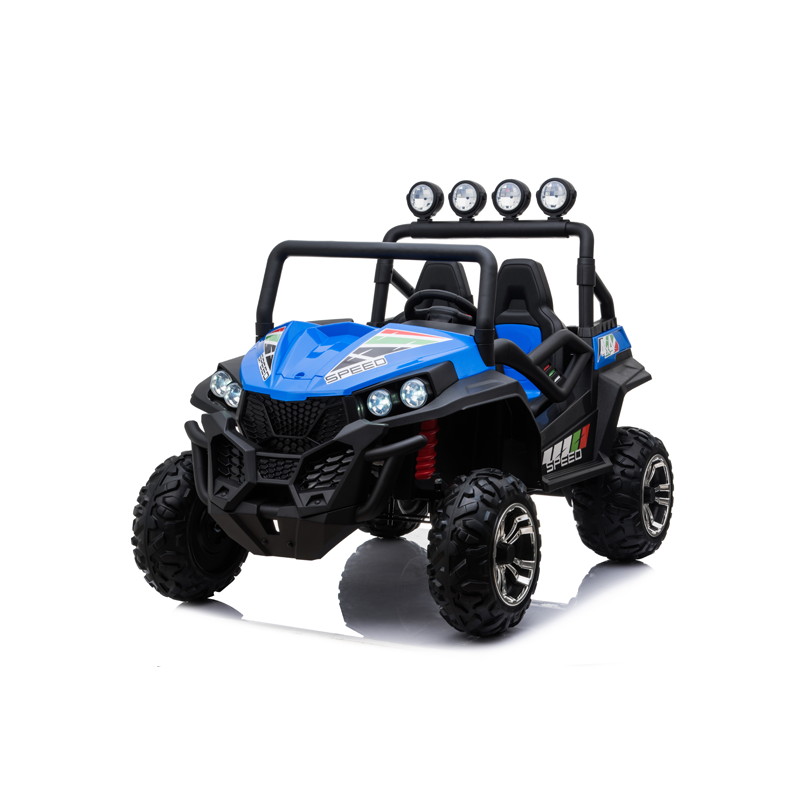
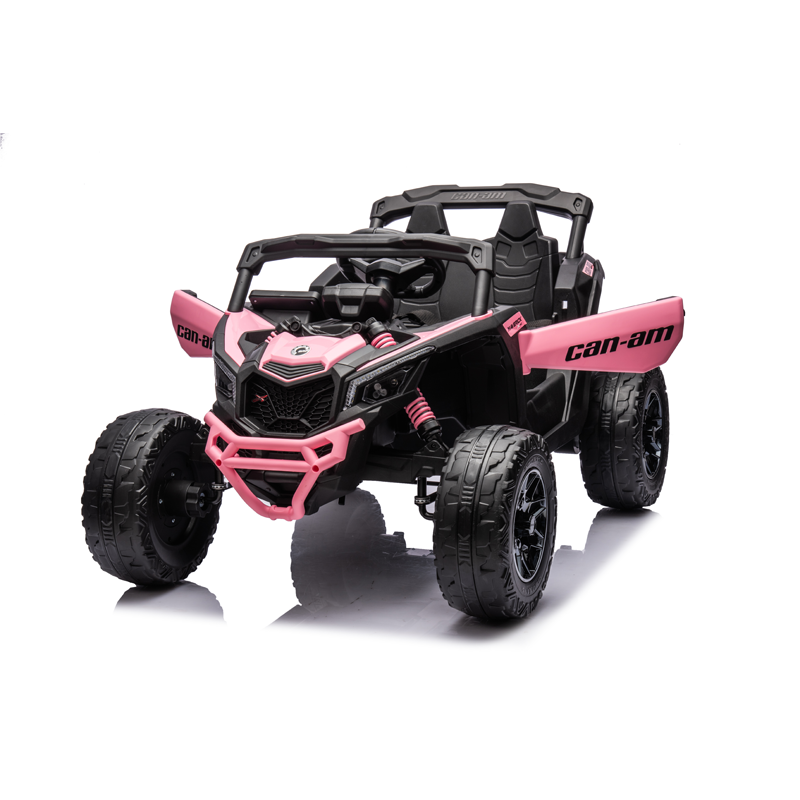
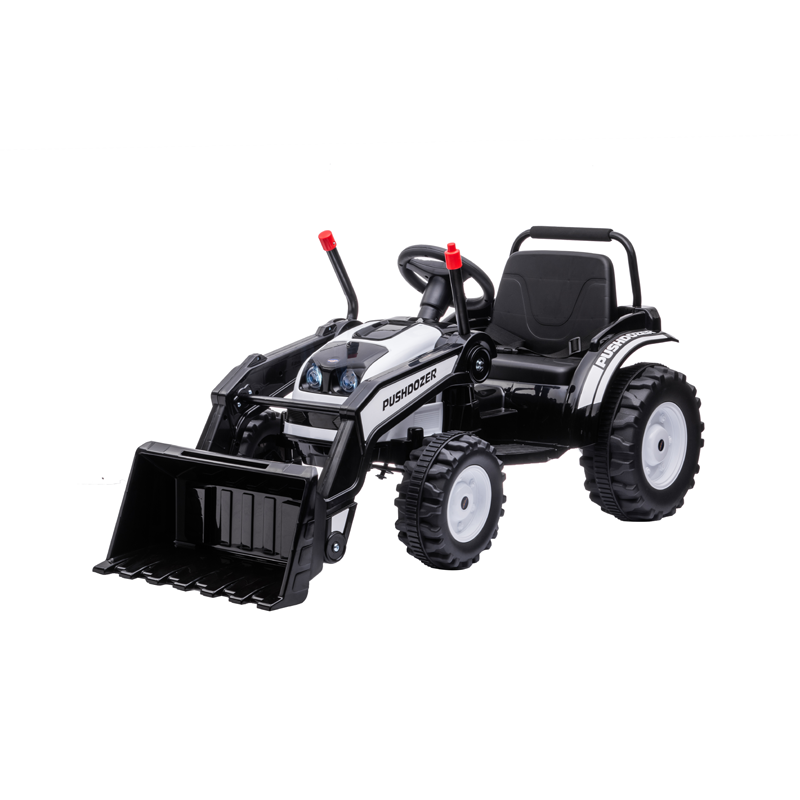
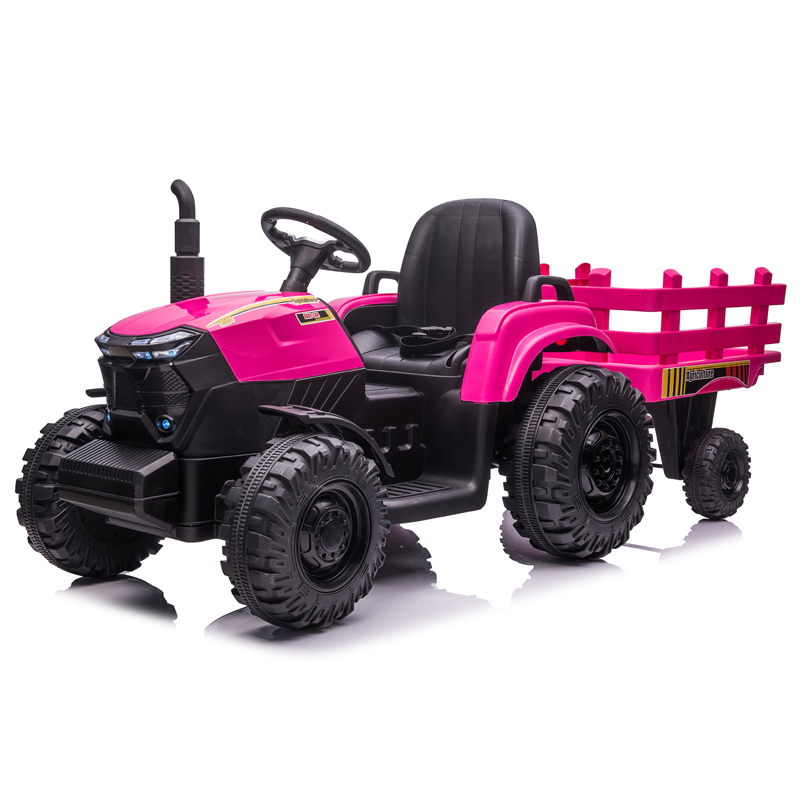
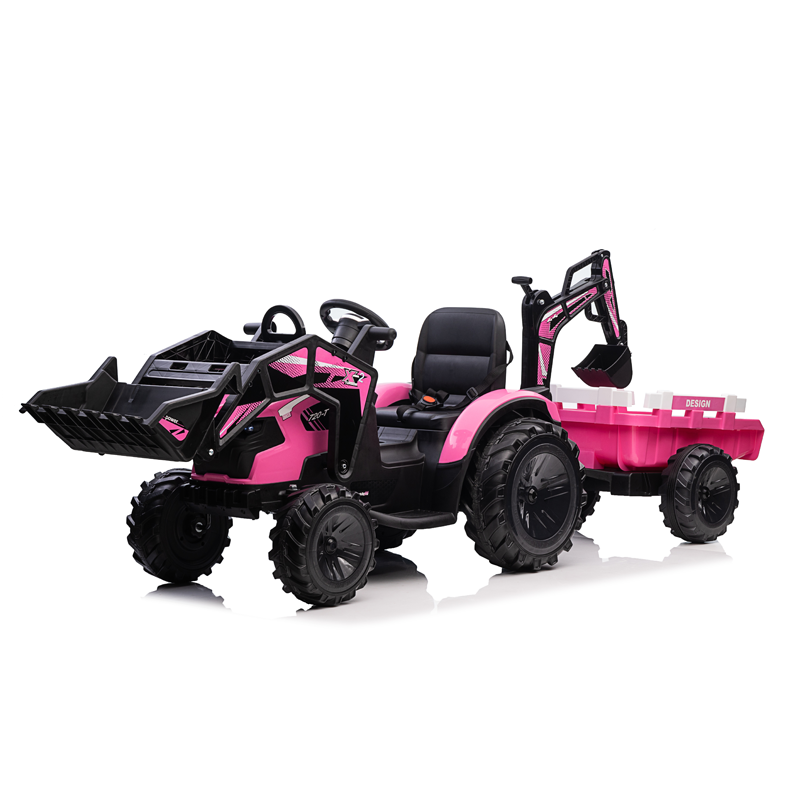
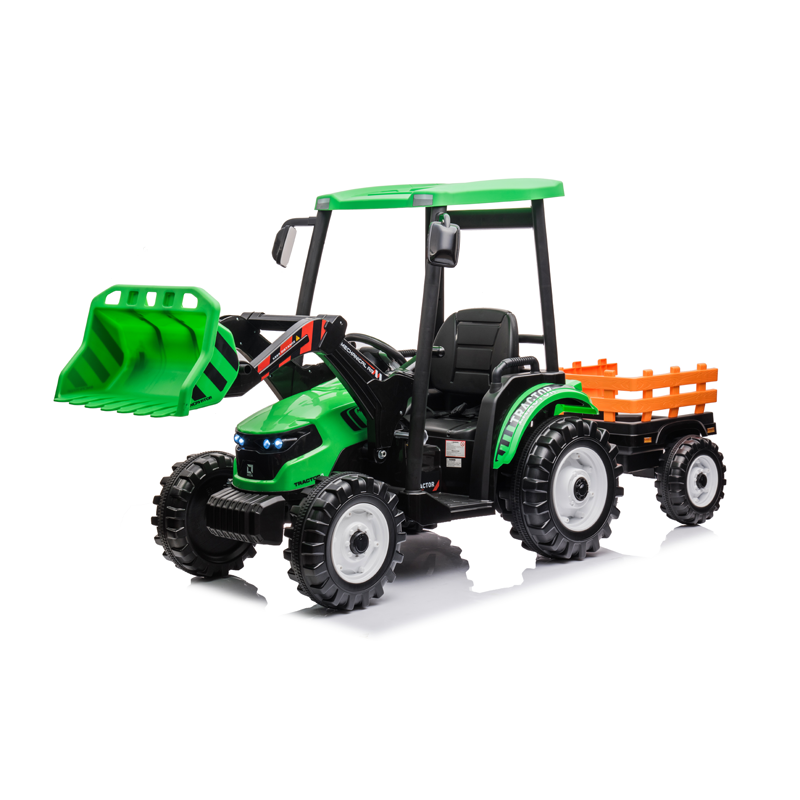
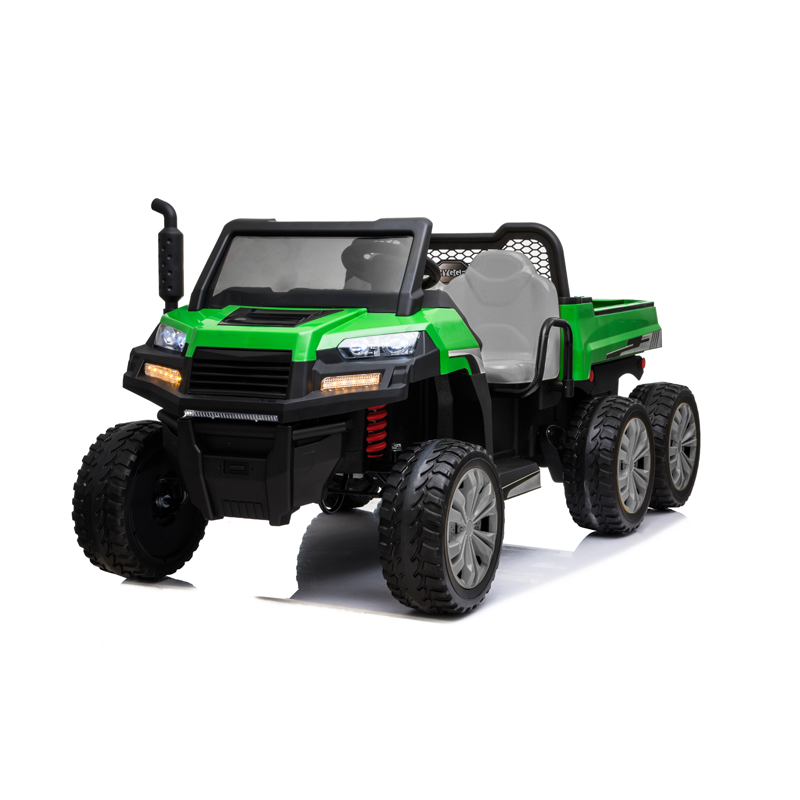
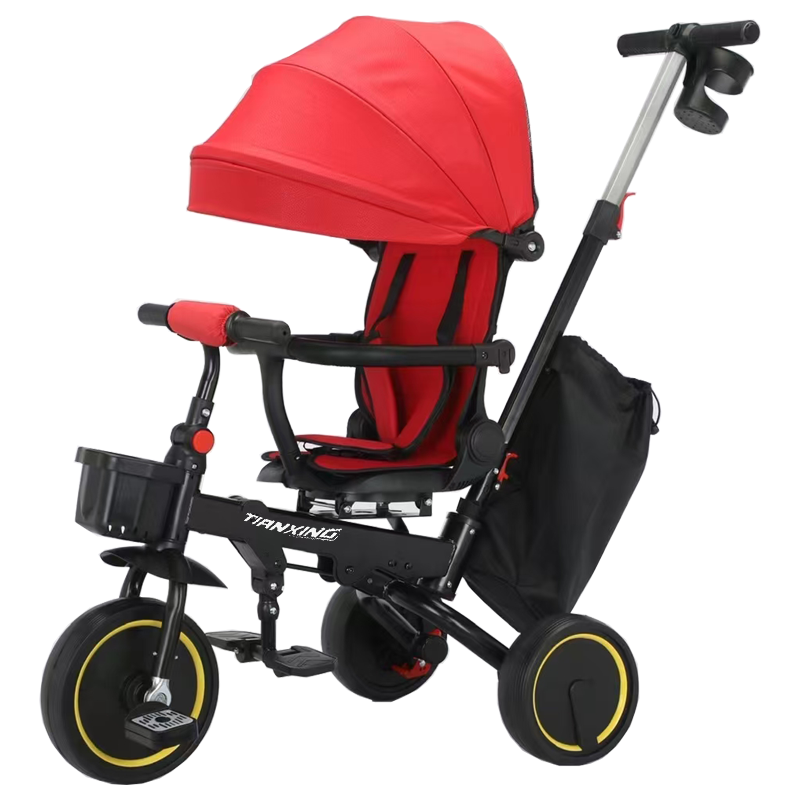










How to Choose the Right Kids Ride-On Car Battery in Europe
For European importers and wholesalers, choosing the right kids ride-on car battery is not simply a decision between 6V, 12V and 24V.
Battery configuration affects driving performance, product positioning, charging time, product weight, spare-parts planning and after-sales costs. It should always be considered together with the motors, controller, charger and the intended European market.
Quick Answer: Which Battery Should You Choose?
- 6V: Better suited to small, lightweight and entry-level ride-on toys.
- 12V: A practical mainstream option for many one-seat ride-on cars and motorcycles.
- 24V: More commonly considered for larger SUVs, two-seat UTVs, trucks and multi-motor models.
Important: Voltage alone does not determine performance. Battery capacity, motor quantity, vehicle weight and controller configuration should be evaluated together.
Why Battery Selection Matters for European Ride-On Car Buyers
European buyers often need to balance performance, cost, compliance and after-sales requirements at the same time.
A larger battery may look attractive on a specification sheet, but it can also increase product cost and weight without creating enough additional retail value.
Battery Configuration Can Affect:
- Driving performance
- Runtime
- Motor load
- Vehicle weight
- Charging time
- Product cost
- Retail price positioning
- Replacement-parts availability
- Customer complaints
- Warranty handling
For importers selling through toy stores, online marketplaces or retail chains, battery selection should therefore be treated as both a product configuration decision and an after-sales decision.
6V vs 12V vs 24V Ride-On Car Batteries
There is no universal voltage that is best for every electric ride-on toy. The correct choice depends on the vehicle and the intended retail market.
| Battery System | Typical Product Type | B2B Positioning | What Buyers Should Check |
|---|---|---|---|
| 6V | Small motorcycles, compact cars and lightweight ride-on toys | Entry-level products | Vehicle weight, motor power and expected usage |
| 12V | One-seat cars, motorcycles and compact SUVs | Mainstream retail range | Battery capacity, motor quantity and controller |
| 24V | Large SUVs, UTVs, two-seat cars and ride-on trucks | Mid-to-higher product segment | Motor configuration, weight, wheel size and power demand |
When Does a 6V Battery Make Sense?
6V systems are generally used in smaller and lighter ride-on toys with relatively simple driving requirements.
Suitable Product Types
- Small ride-on motorcycles
- Compact entry-level cars
- Lightweight models
- Lower-speed applications
Buyer Considerations
- Target retail price
- Vehicle size
- Product weight
- Consumer performance expectations
For European wholesalers targeting an entry-level price point, a 6V model can still have a place in the assortment. The important point is that the battery and motor system should match the vehicle design.
Why 12V Is Common in Mainstream Ride-On Cars
12V is widely used across many electric ride-on cars for kids.
Common Battery Capacity Examples
- 12V4.5Ah
- 12V7Ah
- 12V10Ah
- 12V12Ah
A 12V system can work well for one-seat cars, motorcycles, compact SUVs and other mainstream products when correctly matched with the motors.
For many European importers, this configuration can provide a practical balance between performance, product cost and overall weight.
When Should Buyers Consider a 24V Ride-On Car?
24V systems are more commonly considered for vehicles with higher power requirements.
Typical Applications
- Large ride-on SUVs
- Two-seat ride-on cars
- Kids UTVs
- Ride-on trucks
- Large off-road models
- Four-motor configurations
Do not compare voltage alone. A 24V ride-on car is not automatically better than a 12V model. Motors, controller, gearing, vehicle weight and wheels also affect actual driving performance.
Battery and Motor Matching Is More Important Than Voltage Alone
This is one of the most important checks buyers can make before confirming an order.
Example A
- 12V battery
- Two motors
- One-seat design
- Lightweight body
Example B
- 24V battery
- Four motors
- Two-seat design
- Larger body and wheels
These two products cannot be compared by battery voltage alone because they have completely different power requirements.
Before Confirming a Configuration, Ask:
- How many motors are installed?
- What motor model is used?
- What is the rated voltage of the motors?
- What controller is installed?
- What battery capacity is included?
- What is the approximate vehicle weight?
- What wheel type and size are used?
- Are alternative battery and motor configurations available?
Key takeaway: For wholesale sourcing, the complete electrical configuration should be treated as one system.
What Does Battery Capacity in Ah Actually Mean?
Voltage receives most of the attention in product listings, but battery capacity is also important.
Buyers may see specifications such as 12V4.5Ah, 12V7Ah or 12V10Ah. When comparing batteries of the same voltage and type, a larger Ah rating generally means more stored energy.
Runtime Can Be Affected By:
- Vehicle weight
- Passenger load
- Motor quantity and power
- Driving speed
- Grass, pavement or uneven surfaces
- Slopes
- Frequent starting and stopping
- Battery condition
- Temperature
- Use of lighting and entertainment functions
European e-commerce sellers should therefore be cautious about publishing overly precise runtime claims without clearly defined testing conditions.
Should European Buyers Always Upgrade to a Bigger Battery?
Not necessarily. A larger battery should solve a real product need rather than simply make the specification sheet look stronger.
1. Battery Compartment
Confirm that the larger battery fits securely without changing the original vehicle structure.
2. Product Cost
Consider whether the added cost creates enough value for the target retail segment.
3. Product Weight
Higher-capacity batteries may increase handling and shipping weight.
4. Charger Compatibility
Battery capacity and charger specification should always be checked together.
Lead-Acid vs Lithium Battery for the European Market
| Factor | Lead-Acid Battery | Lithium Battery |
|---|---|---|
| Cost | Generally more economical | Usually higher |
| Weight | Heavier | Generally lighter |
| Replacement | Common sizes are widely available | May require a more specific replacement solution |
| Supply Chain | Well established for ride-on toys | Requires closer configuration control |
| Transport | Shipping requirements should still be checked | Additional lithium battery transport requirements may apply |
| Charger | Must match battery specification | Battery and BMS compatibility are important |
Battery Replaceability Is Becoming More Important in Europe
European importers should increasingly consider how easily the battery can be accessed and replaced during the product lifecycle.
Questions to Ask Your Supplier
- How is the battery installed?
- Can the battery be accessed for replacement?
- Are special tools required?
- Can replacement batteries be supplied?
- Are replacement instructions available?
- Can the same battery specification remain available for repeat orders?
This is relevant not only for compliance planning but also for practical local after-sales service.
Common Battery Problems After Ride-On Cars Reach Europe
Long Warehouse Storage
Rechargeable batteries may require suitable maintenance when products remain in importer or retailer warehouses for long periods.
Charging Problems
The charger, charging port or connection may be the real cause rather than the battery itself.
Loose Connections
Transportation or assembly can occasionally result in connectors not being fully secured.
Fuse or Wiring Issues
A ride-on car that does not start may have a wiring, fuse or controller problem instead of a defective battery.
How European Importers Can Reduce Battery-Related After-Sales Costs
Step 1: Confirm the Mass-Production Battery Specification
Do not check only the sample. Clearly record the agreed battery and electrical configuration in the purchasing specification.
Step 2: Inspect the Electrical System
- Battery specification
- Battery terminals
- Connectors and wiring
- Fuse
- Charger and charging port
- Forward and reverse functions
- Motor operation
- Remote-control operation where applicable
Step 3: Prepare Spare Parts Before Shipment
- Batteries
- Chargers
- Remote controls
- Controllers
- Motors
- Gearboxes
- Switches
- Wiring components
Step 4: Prepare Clear User Instructions
Charging, storage and basic troubleshooting instructions can help distributors distinguish between a battery problem and another electrical issue.
European Compliance Should Be Checked Before Finalizing the Configuration
Electric ride-on cars marketed as toys in Europe may need to meet applicable EU toy safety and electrical safety requirements.
Depending on the product and applicable regulations, buyers may need to review documentation associated with relevant standards such as EN 71 and EN IEC 62115, together with other applicable requirements.
Important for Importers
Changing the battery, charger, motor, controller or other electrical components may affect whether existing compliance documentation still covers the final production configuration.
Recommended approach: Confirm the commercial configuration first, then verify the applicable compliance documentation for that exact configuration before mass production.
European Ride-On Car Battery Sourcing Checklist
- □ Confirm 6V, 12V or 24V system
- □ Confirm exact battery capacity in Ah
- □ Confirm battery type
- □ Check motor quantity and specification
- □ Check controller compatibility
- □ Check charger compatibility
- □ Check battery replacement method
- □ Confirm replacement battery availability
- □ Confirm spare electrical parts
- □ Review applicable compliance documents
- □ Check whether upgrades affect documentation
- □ Prepare warehouse battery maintenance guidance
Why Battery Configuration Should Be Part of the Sourcing Process
For European importers, ride-on car sourcing should not be reduced to comparing catalog specifications.
Battery + Motors + Vehicle Size + Target Price + Compliance + After-Sales
BBJ supports ride-on toy buyers with product selection, configuration coordination, quality inspection, compliance-document communication, OEM/ODM coordination, mixed-container planning and spare-parts preparation.
For example, a European importer may use standard 12V models for entry-level retail, higher-capacity 12V models for mid-range positioning and 24V two-seat models for higher retail segments.
The objective is not to install the largest battery in every vehicle. It is to build a product assortment with clear differences in price, performance and target customer.
Conclusion
Choosing the right kids ride-on car battery for the European market requires more than comparing voltage.
Importers should consider battery capacity, motors, vehicle weight, charger compatibility, replacement availability, after-sales support and applicable European requirements as one complete sourcing decision.
Before confirming your next order, request the battery specification, motor configuration, compliance documents, spare-parts options and loading information for the exact model you plan to purchase.
Need Help Comparing Ride-On Car Configurations?
If you are sourcing kids ride-on cars for the European market, BBJ can help you compare battery and motor configurations, available compliance documents, spare-parts options and mixed-container solutions.
Frequently Asked Questions
What battery voltage is best for kids ride-on cars in Europe?
There is no single best voltage. 12V is commonly suitable for many mainstream ride-on cars, while larger two-seat or multi-motor models may require 24V. Vehicle weight, motor configuration and intended use should be evaluated together.
Is a 24V ride-on car better than a 12V ride-on car?
Not automatically. Voltage alone does not determine product quality or driving performance. Motors, controller, gearing, vehicle weight, wheels and battery capacity also matter.
Does a higher Ah battery make a ride-on car faster?
Usually not. Increasing Ah primarily changes battery capacity rather than directly determining maximum speed. Speed depends on the complete drive system.
What should importers check before changing a battery configuration?
Buyers should check compatibility with the motors, controller, charger and battery compartment and confirm whether the applicable compliance documentation still covers the revised configuration.
Should ride-on car wholesalers prepare spare batteries?
For larger wholesale programs, replacement batteries and chargers can improve after-sales efficiency. Controllers, motors, gearboxes, switches and wiring components may also be useful depending on the model.